
Key Takeaways
- Transform any basin into a therapeutic foot spa using simple household items like Epsom salt, apple cider vinegar, and essential oils for professional-quality results
- The right water temperature (lukewarm, not hot) and 15-20 minute soaking sessions maximize benefits while preventing skin damage
- Science-backed additives like magnesium sulfate reduce muscle soreness and inflammation, while antimicrobial ingredients combat foot odor and fungal issues
- Advanced techniques can target specific problems like cracked heels and poor circulation through specialized soaking protocols
- People with diabetes or peripheral neuropathy should consult healthcare providers before starting regular foot bath routines
Creating a luxurious spa experience at home doesn’t require expensive equipment or professional treatments. With the right knowledge and simple ingredients, anyone can transform their bathroom into a therapeutic retreat that rivals high-end wellness centers.
How Home Foot Spas Enhance Your Soaking Experience
The therapeutic benefits of home foot soaking extend far beyond simple relaxation. When feet are submerged in warm water, blood vessels dilate naturally, improving circulation throughout the lower extremities. This enhanced blood flow delivers oxygen and nutrients to tired tissues. While the evidence for direct removal of metabolic waste products through foot soaks is mixed, improved circulation generally supports the body’s natural processes for waste elimination, which can contribute to reducing soreness and swelling.
Beyond physical improvements, foot soaks trigger the body’s relaxation response by activating the parasympathetic nervous system. This physiological shift reduces cortisol levels and promotes the release of endorphins, creating a natural stress-relief mechanism that can improve sleep quality and overall mental well-being.
Essential Equipment for Professional Results
1. Choosing the Right Basin and Water Temperature
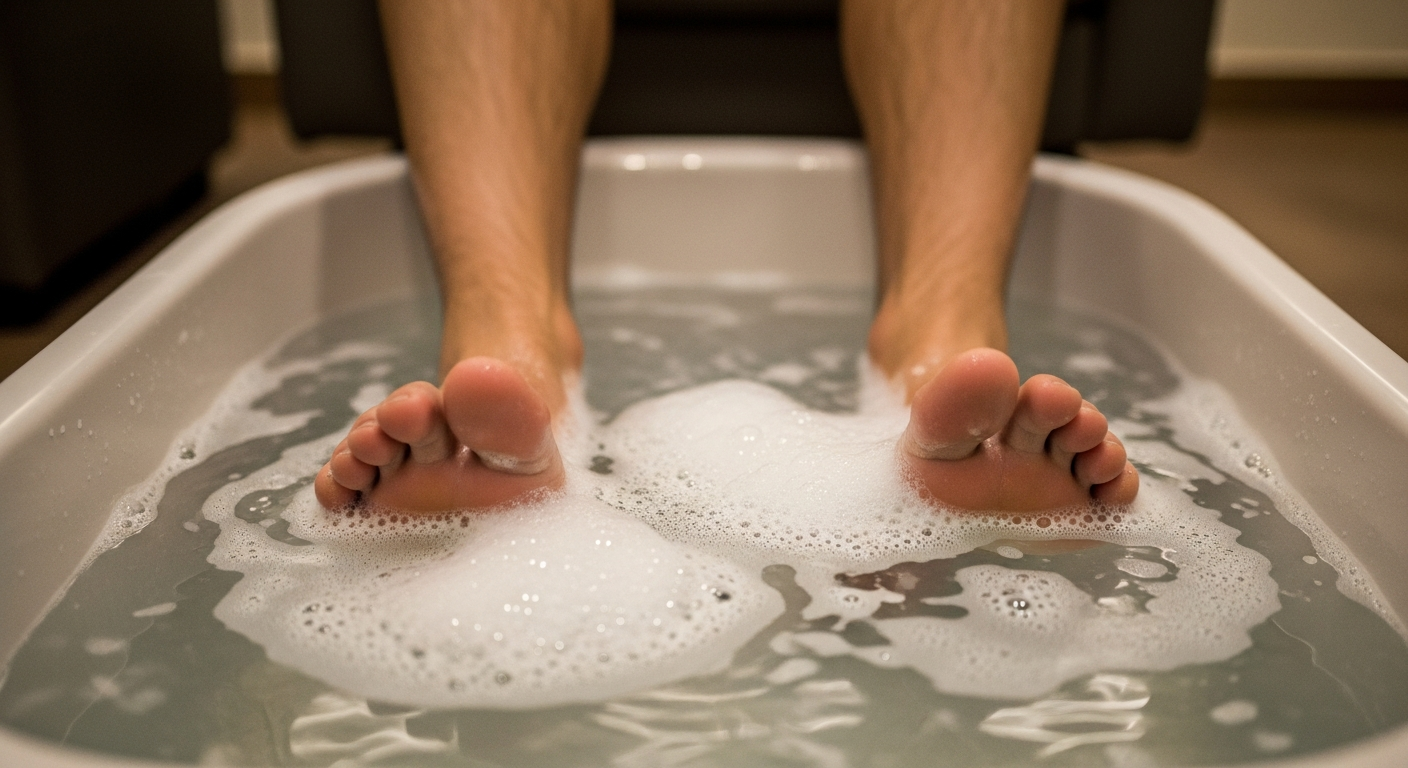
The foundation of any effective foot spa begins with selecting an appropriately sized basin. A container should accommodate both feet comfortably with enough depth to cover the ankles. Wide, shallow basins work better than narrow, deep containers because they allow for natural foot positioning and easier access.
Water temperature plays a crucial role in treatment effectiveness and safety. Lukewarm water, slightly warmer than body temperature, provides optimal therapeutic benefits without risking burns or skin damage. Hot water can strip away protective oils and leave skin prone to dryness, and in some cases, can cause burns or skin damage, thereby reducing the overall therapeutic benefit. Medical professionals recommend testing water temperature with the wrist or a thermometer, aiming for temperatures between 98-104°F.
2. Creating the Perfect Timing and Environment
Timing significantly impacts the effectiveness of home foot spa treatments. The optimal soaking duration ranges from 15-20 minutes, allowing sufficient time for skin softening and muscle relaxation without over-exposure. Longer sessions can lead to over-hydration of the skin, which, if not dried thoroughly, can create an environment conducive to bacterial or fungal growth.
Environmental factors enhance the spa experience considerably. Dim lighting, calming music, and comfortable seating transform a basic foot soak into a restorative ritual. Consider placing towels within easy reach and ensuring the room temperature remains comfortable throughout the session. This attention to ambiance amplifies the stress-relief benefits and encourages consistent self-care practices.
Science-Backed Additives That Transform Your Soak
Epsom Salt: The Muscle Relief Champion
Epsom salt stands as the gold standard for therapeutic foot soaks due to its unique chemical composition. Magnesium sulfate, the active compound in Epsom salt, dissociates in warm water to release magnesium and sulfate ions. These minerals penetrate the skin barrier and interact with muscle tissue to reduce inflammation and ease tension.
Apple Cider Vinegar: Natural Antifungal Defense
Apple cider vinegar transforms ordinary foot soaks into powerful antimicrobial treatments through its high acetic acid content. This organic acid creates an inhospitable environment for bacteria and fungi while helping to restore the skin’s natural pH balance. The acidic environment inhibits the growth of odor-causing microorganisms that thrive in the warm, moist conditions between toes.
Create an effective vinegar foot soak by mixing two parts warm water with one part apple cider vinegar. This ratio provides therapeutic benefits without causing skin irritation in most individuals. However, people with open wounds or sensitive skin should avoid vinegar soaks, as the acetic acid can cause burning or delay healing.
Baking Soda: Deep Cleansing Power
Baking soda brings powerful cleansing and pH-balancing properties to foot spa treatments. Sodium bicarbonate acts as a gentle abrasive that helps remove dead skin cells and embedded dirt while neutralizing odor-causing acids. Its alkaline nature creates an environment that inhibits bacterial growth, making it an excellent choice for people prone to foot odor or minor skin irritations.
Add two to three tablespoons of baking soda to warm water for an effective cleansing soak. The solution can be enhanced with complementary ingredients like sage, lavender, or chamomile for additional therapeutic benefits. Regular use of baking soda foot soaks helps maintain proper foot hygiene while addressing minor skin issues naturally.
Essential Oils That Elevate Your Experience
Lavender for Deep Relaxation
Lavender essential oil transforms foot soaks into powerful stress-relief treatments through its well-documented anxiolytic properties. The compounds in lavender oil are known to promote relaxation and reduce anxiety levels. When inhaled during foot spa treatments, lavender aromatherapy can lower cortisol production and activate the parasympathetic nervous system.
Tea Tree and Eucalyptus for Therapeutic Benefits
Tea tree and eucalyptus oils provide potent antimicrobial and anti-inflammatory benefits that address specific foot health concerns. Tea tree oil has proven antifungal and antibacterial properties that can help combat athlete’s foot, toenail infections, and persistent odor issues. Its natural antiseptic qualities make it valuable for preventing minor cuts and abrasions from becoming infected.
Eucalyptus oil complements tea tree’s antimicrobial action with additional anti-inflammatory and cooling properties. Eucalyptus oil provides immediate relief from swelling and discomfort while promoting mental clarity and alertness. This combination makes it particularly beneficial for people who spend long hours on their feet or suffer from chronic foot pain.
Use these potent oils sparingly, adding only 3-5 drops per foot bath to avoid skin sensitization. Both oils can cause irritation in high concentrations, so start with smaller amounts and gradually increase based on individual tolerance levels.
Peppermint for Cooling Relief
Peppermint essential oil delivers immediate cooling relief that can soothe tired, overheated feet while providing natural pain relief. The menthol content in peppermint oil creates a cooling sensation, providing temporary relief from burning sensations and general discomfort. This cooling effect can be particularly valuable during hot weather or after intense physical activity.
The analgesic properties of peppermint oil extend beyond simple cooling effects. Research indicates that menthol can contribute to pain relief. This natural pain relief mechanism makes peppermint foot soaks valuable for people dealing with plantar fasciitis, arthritis, or general foot fatigue.
Add 5-8 drops of peppermint essential oil to the foot bath water for optimal cooling effects. The invigorating aroma also provides mental stimulation and can help combat afternoon fatigue, making peppermint foot soaks excellent for midday energy boosts.
Advanced Techniques for Specific Foot Problems
Cracked Heels Recovery Protocol
Severe heel cracking requires a systematic approach that combines intensive moisturizing with targeted treatment protocols. Begin with a specialized soaking solution containing both Epsom salt and urea-containing bath salts, which work synergistically to soften hardened skin while providing deep hydration. Dead Sea salts can be particularly effective due to their high mineral content and natural exfoliating properties.
For cracked heels, beneficial treatments can include traditional water-based soaks and milk and honey baths. Milk contains lactic acid, a natural alpha-hydroxy acid that gently dissolves the bonds between dead skin cells, while honey provides antimicrobial protection and deep moisturization. Soak feet in warm milk for 10-15 minutes, then immediately follow with physical exfoliation using a pumice stone or foot file.
After treatment, apply a thick, occlusive moisturizer containing ingredients like shea butter, coconut oil, or glycolic acid. For severe cases, consider overnight treatments where feet are heavily moisturized and covered with cotton socks to enhance absorption and prevent moisture loss.
Circulation Boosting Methods
Poor circulation in the feet responds well to contrast therapy, which alternates between warm and cold water exposure to stimulate blood flow. Prepare two containers: one filled with lukewarm water and another with cool (not ice-cold) water. Begin with a two-minute soak in warm water, then immediately transfer feet to cool water for 30-60 seconds. Repeat this cycle 3-4 times, always ending with the warm water phase.
This hot-and-cold contrast creates a pumping action in blood vessels, alternately dilating and constricting to improve circulation throughout the lower extremities. The technique can be beneficial for people with peripheral artery disease or those who experience chronic cold feet. However, individuals with diabetes should consult their healthcare provider before attempting contrast therapy due to potential risks associated with impaired sensation and wound healing. Enhanced circulation delivers more oxygen and nutrients to tissues while improving the removal of metabolic waste products.
Safety Guidelines and Who Should Avoid Foot Soaks
While foot soaks offer numerous benefits for most individuals, certain health conditions require special precautions or complete avoidance of these treatments. People with diabetes face elevated risks due to potential nerve damage (peripheral neuropathy) that can impair their ability to detect water temperature accurately. This reduced sensation increases the likelihood of burns from water that feels comfortable but is actually dangerously hot.
People with peripheral neuropathy from other causes, active fungal infections, or circulatory disorders should also exercise caution. Open wounds, regardless of size, represent contraindications for foot soaking as the warm, moist environment can promote bacterial growth and delay healing. Always thoroughly dry feet after soaking, paying particular attention to areas between toes where moisture tends to accumulate and fungal growth can occur.
Transform Your Foot Care Routine Starting Tonight
Creating a consistent home foot spa routine requires minimal investment while delivering maximum therapeutic benefits. Start with simple ingredients already available in most households: warm water, Epsom salt, and basic essential oils. As comfort and confidence develop, gradually introduce specialized additives and advanced techniques tailored to individual needs and preferences.
The key to long-term success lies in establishing realistic expectations and sustainable practices. Begin with two or three weekly sessions, focusing on proper technique and safety protocols rather than complex additive combinations. Track improvements in foot comfort, skin texture, and overall well-being to maintain motivation and identify the most effective treatments for individual needs.
Healifeco
1309 Coffeen Avenue
STE 1200
Sheridan
Wyoming
82801
United States


