Key Takeaways
- Eye diseases like glaucoma and macular degeneration often show no symptoms until serious damage has already occurred
- A comprehensive eye exam does more than check your vision — it can reveal early signs of diabetes, high blood pressure, and other systemic conditions
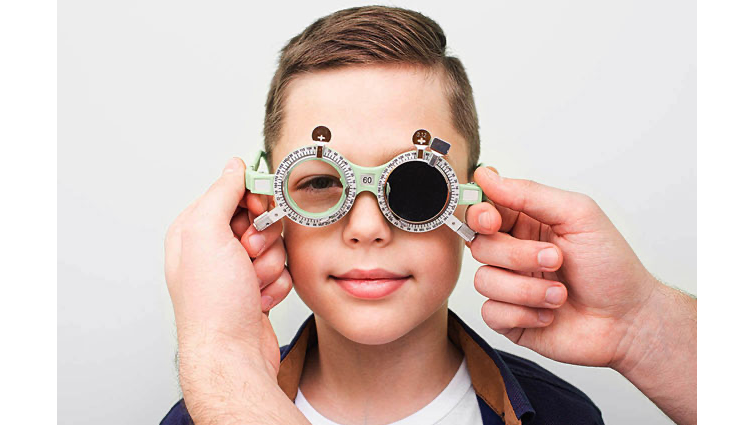
- Children need eye exams too, since undetected vision problems can directly affect their learning and development
- Symptoms like frequent headaches, blurry vision, and eye strain are signs you may be overdue for an exam
- Adults over 40 should schedule eye exams every one to two years, and annually after age 65
Most people only book an eye exam when something already feels wrong, and that’s exactly the problem. Serious eye conditions can develop quietly for years, giving little to no warning until vision is already affected. Scheduling checkup with a qualified eye care provider is one of the most practical steps toward protecting long-term vision health, says Mount Pleasant-based expert from A2Z Eyecare.
What most people don’t realize is how much a single eye exam can actually tell you — about your eyes and well beyond them. Here’s what routine eye care really involves, and why it matters more than most people think.
Your Eyes Can’t Always Tell You When Something Is Wrong
This is the part most people miss until it’s too late. Conditions like glaucoma, age-related macular degeneration, and diabetic retinopathy can progress silently for months or even years, with no pain or obvious change in sight. Because the loss often happens gradually, your brain quietly compensates, making it easy to go about daily life without noticing anything is off.
Cataracts follow a similar pattern — the lens clouds so slowly that it can feel like nothing more than needing brighter light to read. Yet according to the CDC, cataracts are the leading cause of vision loss in the United States, making early detection through regular exams one of the most effective tools available for managing the condition before it seriously disrupts daily life.
What a Comprehensive Eye Exam Actually Checks
A thorough eye exam covers far more ground than most people expect from a single appointment. Beyond the standard letter chart, your eye doctor evaluates several different aspects of your vision and eye health, building a picture that a basic vision screening simply can’t provide.
Here’s what a complete exam typically includes:
- Visual acuity — how clearly you see at various distances, which determines whether you need corrective lenses or a prescription update
- Eye pressure testing — elevated intraocular pressure is one of the primary risk factors for glaucoma and needs to be monitored over time
- Retinal imaging — detailed imaging of the back of the eye helps detect early signs of macular degeneration, diabetic retinopathy, and optic nerve damage
- Eye health assessment — the front and interior structures of the eye are examined for cataracts, corneal issues, and other abnormalities
The process is non-invasive and typically takes under an hour, yet the information gathered is difficult to obtain any other way.
Key Benefits of Eye Exams You Should Know
They Can Catch Serious Eye Disease Before You Notice It
Because many eye conditions develop without obvious symptoms, regular exams give your doctor the chance to spot problems while they’re still manageable. Glaucoma, for instance, damages the optic nerve gradually, and without monitoring, the first noticeable sign is often vision that’s already been permanently lost. Catching these conditions early — through tools like OCT imaging and visual field testing — is what makes treatment meaningfully more effective.
They Reveal What’s Happening Inside Your Body
One of the most overlooked benefits of an eye exam is what it can show about your overall health. The blood vessels in the retina are visible in a way that those elsewhere in the body simply aren’t, making them a valuable indicator of systemic conditions. During a routine exam, an eye doctor can identify early signs of diabetes, high blood pressure, and cardiovascular issues — sometimes before a patient or their regular doctor is aware of them. Diabetic retinopathy alone, if caught early, can be treated in ways that significantly delay or prevent vision loss in people with diabetes.
They Keep Your Prescription Accurate and Your Eyes Comfortable
Vision changes gradually, and an outdated prescription puts unnecessary strain on your eyes every single day. Blurry vision, difficulty shifting focus between distances, and persistent eye fatigue can all point to a prescription that no longer matches your needs. Regular exams ensure your correction stays accurate, which directly affects how comfortable and productive you feel during daily tasks like reading, driving, or working on a screen.
Signs You Might Already Be Overdue for an Exam
Some warning signs are easy to dismiss, especially when they build slowly over time. Headaches that worsen toward the end of the day, difficulty focusing on screens or printed text, and increased light sensitivity are all worth taking seriously. These symptoms won’t always point to something serious, but they’re your body’s way of signaling that your eyes may be working harder than they should.
Watch out for these common signs that it’s time to book an appointment:
- Frequent headaches or migraines without a clear cause
- Blurry or fluctuating vision, especially when switching between near and far distances
- Difficulty seeing clearly at night or increased glare sensitivity while driving
- Eye strain, dryness, or discomfort after extended screen use
If you wear glasses or contacts and haven’t updated your prescription in over a year, your current correction may no longer be accurate — adding strain to your eyes with every passing day.
How Often You Should Actually Be Getting Eye Exams
The right frequency depends on your age, health history, and any existing risk factors, but general guidelines offer a useful starting point.
- Children should have their eyes examined before starting school and regularly throughout their development, since vision problems are closely tied to learning difficulties and are often missed in standard school screenings
- Young adults aged 16 to 24 benefit from a comprehensive exam at 16, with follow-up frequency based on any specific conditions identified
- Adults under 40 with no known risk factors can generally manage with an exam every two to three years, though certain conditions may call for more frequent visits
- Adults over 40 should move every one to two years, as the risk for age-related conditions rises during this period
- Adults over 65 are generally advised to have an annual exam, given the increased likelihood of developing conditions like macular degeneration, glaucoma, and cataracts
People with diabetes, a family history of glaucoma, or other identified risk factors may need more frequent visits regardless of age — your eye doctor will advise based on your specific situation.
Why Children’s Eye Exams Deserve Special Attention
Children rarely know their vision is a problem because they have no reference point for what “normal” sight actually looks like. A child who has never seen the world clearly simply adapts — and that adaptation often shows up as difficulty in school, poor coordination, or trouble with reading, rather than any obvious complaint about their eyes.
Conditions like amblyopia, commonly called lazy eye, affect roughly two to three out of every hundred children and can lead to lasting vision loss if not treated early enough. Standard school screenings help, but have clear limits, frequently missing issues like significant differences in vision between the two eyes. Only a comprehensive exam with an optometrist can reliably catch what screenings miss, and the earlier a problem is identified, the more effective the treatment tends to be.
Making Eye Care Part of Your Routine
Skipping eye exams until something feels wrong is a bit like ignoring car maintenance until the engine fails — by then, the damage is already done. Regular checkups mean that if something does change, it’s caught early, when the options for managing it are still straightforward. That consistency is what makes routine eye care genuinely protective rather than just reactive.
When you’re ready to take that step, working with an eye care team that offers comprehensive exams and takes the time to explain what they find makes the experience far more useful. Your vision is worth the investment, and a routine exam remains one of the simplest ways to protect it.
A2Z Eyecare P.C
16 E Prospect Street,
Waldwick
New Jersey
07463
United States