Choosing a nursery is one of the most important decisions you will make in your child’s early years, and it deserves far more than a quick Google search and a tour of the nearest setting.
The options vary widely in quality, approach, and philosophy, so knowing what actually separates a good nursery from a great one gives parents a real advantage. When the fit is right, children tend to settle more quickly and noticeably. This guide walks you through everything that matters.
Why the Right Nursery Does More Than You Expect
According to Muddy Boots Nursery, a Leeds-based nursery group, a nursery is not just a place your child stays while you work. During the early years, the brain forms connections at a rate it will never match again, which means the environment your child learns in genuinely shapes how they develop emotionally, socially, and cognitively.
Beyond development, a quality nursery builds real-life skills. Children learn to share, handle emotions, follow simple routines, and grow in confidence through everyday play and interaction. Trained educators also often spot developmental needs early, which opens the door to timely support before small concerns become bigger ones.
The First Impression Is Telling You Something
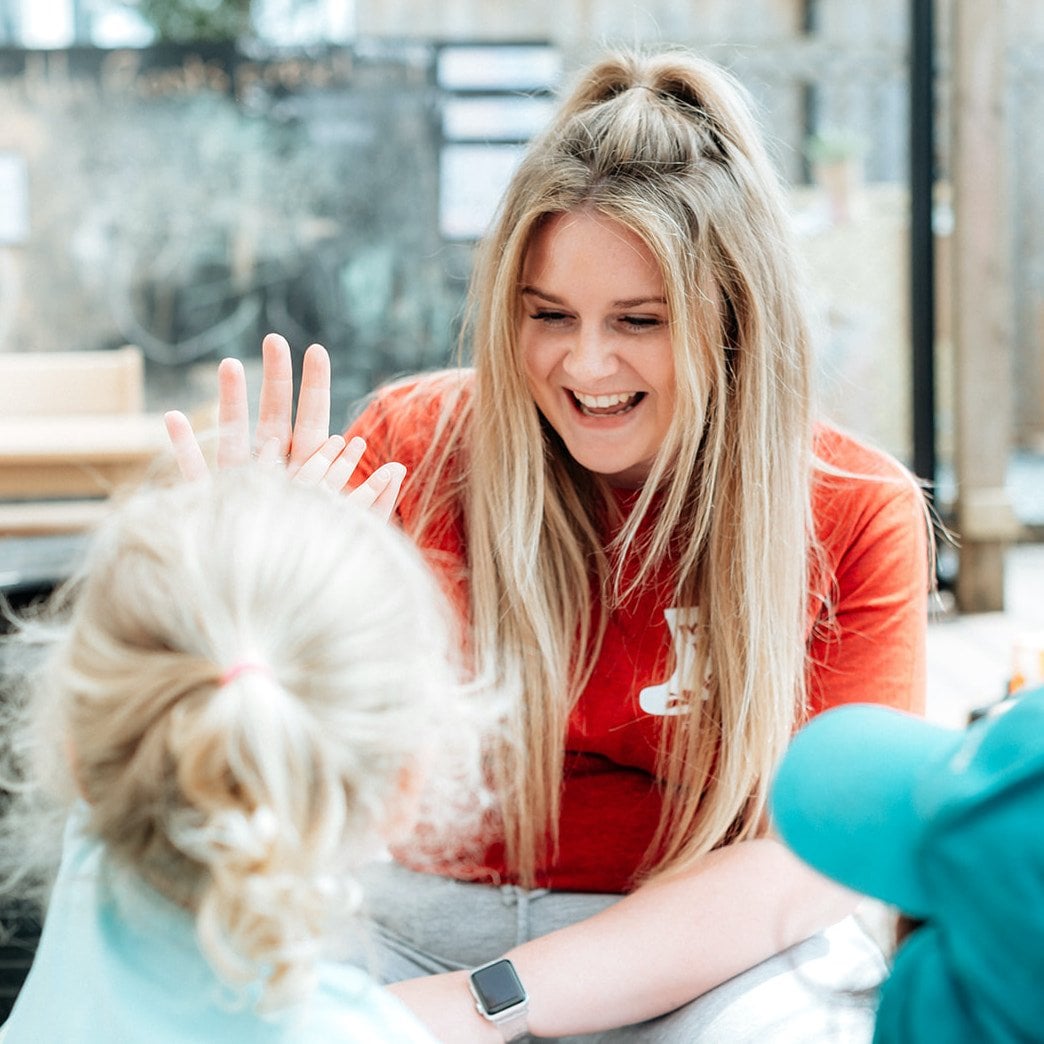
When you walk into a nursery for the first time, the atmosphere will communicate far more than any brochure ever could. Notice whether the children look relaxed and genuinely busy, or restless and disengaged. Watch how staff interact, whether they get down to the child’s level, use their names naturally, and seem present rather than just present in the room.
Ironically, a setting that looks a little messy is often a good sign. It usually means children are leading their own play rather than sitting in tidy rows doing adult-directed tasks. Displays on the wall that celebrate individual effort and creativity, rather than identical pieces of work, tell a similar story about the nursery’s values.
Green flags worth noting:
- Children who are settled, active, and absorbed in what they are doing
- Staff who speak warmly and directly to children at eye level
- A space that feels clean and organised without feeling cold or clinical
- Management that welcomes your questions and answers them with confidence
Red flags to watch for:
- Children who rush toward you the moment you enter, suggesting they are not engaged
- Staff who cannot clearly explain the nursery’s routines or educational approach
- Evasive or vague answers when you ask about policies, ratios, or daily structure
- Poor hygiene, worn-out equipment, or spaces that feel neglected
The People Matter More Than the Premises
No amount of impressive facilities makes up for a weak or disengaged team, and this is where many parents underestimate what to look for. Every member of staff should hold a relevant childcare qualification or be actively working toward one, and thorough background checks should be standard across the board.
One of the clearest warning signs in any nursery is high staff turnover. When the faces keep changing, children cannot build the consistent relationships they need to feel secure, and that insecurity shows up in behaviour and emotional wellbeing. A stable team, by contrast, allows children to form genuine attachments with the adults caring for them, which research consistently links to better outcomes.
Staff-to-child ratios are equally important and non-negotiable. As a general guide, babies under two should have one adult for every three children, two to three year olds one adult per four children, and three to five year olds one adult per eight.
What a Quality Learning Environment Actually Looks Like
Bright, naturally lit rooms with good ventilation are a solid starting point, but the details matter just as much. Look for clearly separated areas designed for different types of activity, a quiet corner where children can decompress if they feel overwhelmed, and outdoor spaces that form a genuine part of daily life rather than an occasional treat.
What a well-designed setting typically includes:
- Open-ended resources that invite imagination rather than dictate how to play
- Outdoor areas are integrated into the daily routine, not just used in good weather
- Age-appropriate furniture and equipment kept in good, clean condition
- A cosy space where children can rest or step back from group activity
Any registered nursery should follow the Early Years Foundation Stage (EYFS) framework, which sets clear national standards for learning, development, and welfare. If a setting cannot tell you how it implements the EYFS in daily practice, that is worth questioning.
How the Nursery Thinks About Learning
Every nursery operates from some underlying belief about how children learn best, and it is worth understanding what that belief is before you commit. Some follow structured approaches like Montessori or Reggio Emilia, while others take a more flexible, child-led approach to play and discovery. Neither is automatically better, but the nursery’s values should sit comfortably alongside your own.
A well-structured day balances active play, outdoor time, meals, rest, and quieter activities in a rhythm that feels consistent for children. For younger babies, especially, ask whether the nursery will follow your child’s existing sleep routine rather than fitting them into a fixed schedule. If your child has any allergies or dietary needs, the answer to how those are handled should be clear, confident, and specific.
The Questions That Get Past the Sales Pitch
Visiting in person is essential, and arriving with prepared questions helps you move beyond the polished tour and into the reality of everyday nursery life. A genuinely good setting will welcome scrutiny rather than deflect it.
Questions worth asking on every visit:
- Who will be my child’s key person, and how does that relationship work in practice?
- How do you track my child’s progress, and how often will I hear about it?
- What does your settling-in process look like for a child who finds transitions difficult?
- How do you manage staff absences without disrupting my child’s routine?
- How often do children spend time outdoors, and what does that provision look like?
How staff respond to these questions matters as much as what they say. Warmth, transparency, and the ability to give specific answers rather than rehearsed ones are qualities you want in the people spending the day with your child.
Staying Connected Once Your Child Starts
Strong communication between a nursery and a family is not an optional extra — it is a sign of how seriously the setting takes its relationship with parents. Ask how the nursery shares updates about your child’s day, development, and any concerns that come up along the way.
Many nurseries now use digital platforms that allow parents to see photos, daily notes, and developmental observations in real time. Regular meetings, open evenings, and a genuinely open-door approach to questions all point to a setting that sees parents as partners rather than customers.
Putting It All Together Before You Decide
After visiting your shortlisted options and asking your questions, one setting will usually feel noticeably different from the others, and that feeling is worth paying attention to. It tends to reflect something real about the atmosphere, the staff, and whether you could honestly picture your child thriving there each day.
Practical factors like location, fees, hours, and flexibility are also legitimate considerations that should not be brushed aside. For parents who want to see what a genuinely nurturing, play-focused early years environment looks like before making a decision, booking a visit to a local nursery is always the most honest way to find out.
Muddy Boots Nursery Leeds
Albert Road
Nature-led Focused Nursery’s York & Leeds Sites Expand Outdoor Curriculum for 2026
Leeds
West Yorkshire
LS27 8RT
United Kingdom


