Key Takeaways
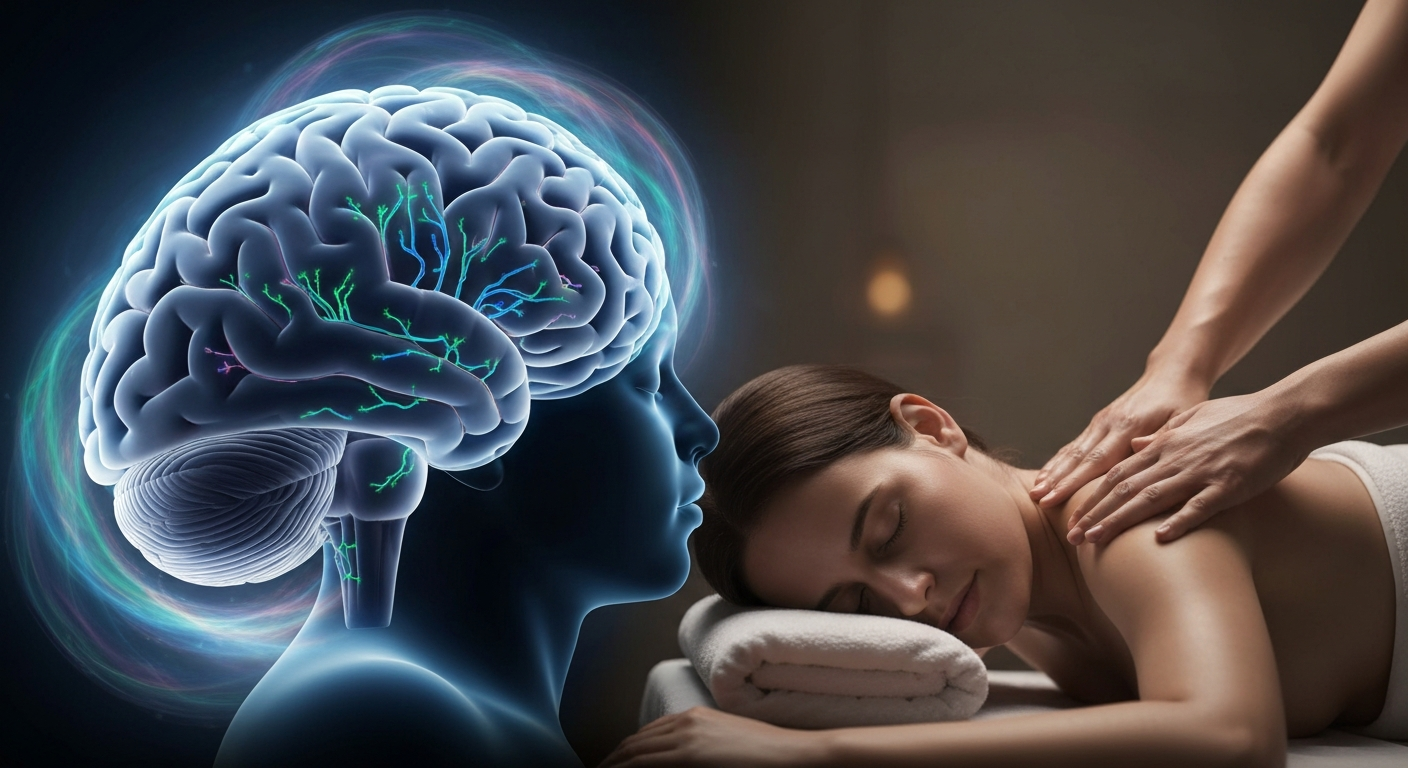
- Just 10 minutes of massage therapy can create significant increases in Heart Rate Variability (HRV), a key indicator of cardiovascular health and stress resilience
- Professional massage therapy reduces cortisol by up to 30% while activating the parasympathetic nervous system for improved mental clarity and focus
- Higher HRV values signal better autonomic nervous system balance and improved ability to handle daily stressors
- Specialized massage techniques target stress-related imbalances through classical, lymphatic, and trigger point therapies
- Improved vagal tone from massage therapy supports both cognitive function and long-term cardiovascular resilience
Modern stress takes a measurable toll on both mind and body. While many people view massage as pure relaxation, emerging research reveals its profound impact on physiological markers that directly influence mental performance and cardiovascular health.
Massage Therapy Improves Heart Rate Variability in Just 10 Minutes
Heart Rate Variability measures the subtle variations in time between heartbeats, serving as a window into autonomic nervous system function. Research demonstrates that even 10 minutes of massage can create significant increases in HRV, indicating improved stress resilience and cardiovascular health.
Studies on massage therapy show effective HRV improvement by reducing sympathetic nervous system activity while promoting parasympathetic responses. This shift represents your body moving from “fight-or-flight” mode into “rest-and-digest” mode, where healing and recovery naturally occur.
In short, for those seeking evidence-based wellness approaches, professional massage therapy provides measurable improvements in stress markers and mental clarity. The physiological changes begin almost immediately, with HRV improvements detectable within minutes of treatment initiation.
How Massage Activates Your Body’s Healing Mode
Massage therapy creates profound changes in nervous system function through multiple pathways. Understanding these mechanisms reveals why massage produces lasting benefits beyond temporary relaxation.
Balancing Sympathetic and Parasympathetic Systems
The autonomic nervous system operates through two primary branches: sympathetic (stress response) and parasympathetic (recovery response). Massage therapy specifically targets the balance between these systems, reducing excessive sympathetic activity that characterizes chronic stress.
Persistently elevated sympathetic nervous system activity creates a cascade of health challenges including elevated blood pressure, compromised immune function, and reduced cognitive performance. Massage interventions help restore healthy autonomic balance by activating parasympathetic pathways.
Vagus Nerve Stimulation Through Touch
The vagus nerve serves as the primary pathway for parasympathetic nervous system activation, comprising 80% of this critical system. Massage stimulates vagal tone through targeted pressure and rhythmic techniques, particularly when applied to key areas like the neck, jaw, and diaphragm.
High vagal tone correlates with improved emotional regulation, better stress adaptation, and increased resilience to daily challenges. Athletes with superior conditioning often demonstrate high vagal tone, reflecting optimal nervous system function.
Reducing Cortisol by Up to 30%
Cortisol, the primary stress hormone, directly impacts both physical and mental health when chronically elevated. Research indicates massage therapy can reduce cortisol levels by up to 30% while simultaneously increasing beneficial neurotransmitters like serotonin and dopamine.
This hormonal rebalancing creates an optimal environment for cognitive function, memory consolidation, and emotional stability. Cortisol reduction is a consistent outcome of massage therapy, making it a reliable therapeutic benefit.
Mental Clarity Benefits Beyond Relaxation
While massage therapy’s relaxation effects are well-known, its cognitive benefits extend far beyond simple stress relief. These neurological improvements stem from measurable changes in brain chemistry and nervous system function.
Improved Memory and Attention
Massage therapy creates favorable conditions for memory formation and attention regulation by reducing cortisol interference with hippocampal function. Studies demonstrate improvements in both working memory and sustained attention following regular massage sessions.
The cognitive improvements occur through multiple mechanisms, including improved blood flow to brain regions responsible for executive function and reduced stress-related interference with neural communication.
Increased Focus Through Stress Reduction
Chronic muscle tension and stress create mental fog that interferes with concentration and decision-making. Massage therapy addresses both physical tension and psychological stress simultaneously, creating space for improved mental clarity.
Participants in massage therapy research consistently report better focus and clearer thinking in the days following treatment. This improvement reflects the interconnected nature of physical tension and cognitive performance.
Neurotransmitter Balance for Cognitive Function
Massage therapy influences key neurotransmitters that regulate mood, attention, and cognitive performance. The therapy promotes optimal levels of serotonin and dopamine while reducing stress-related neurochemicals.
This neurotransmitter rebalancing supports sustained mental clarity rather than temporary relief. The effects build cumulatively with regular sessions, creating lasting improvements in cognitive function and emotional regulation.
Understanding What Your HRV Reveals About Health
Heart Rate Variability serves as a real-time indicator of autonomic nervous system health and stress resilience. Understanding HRV values provides insight into your body’s capacity to handle stress and recover effectively.
How Low HRV Indicates Stress Vulnerability
HRV values below 780ms typically indicate sympathetic overactivity and increased vulnerability to stress-related health challenges. This reduced variability reflects a rigid cardiovascular system struggling to adapt to changing demands.
Low HRV correlates with increased risk of cardiac pathology, diabetes, and reduced quality of life. The measurement provides early warning signs of stress-related health decline before symptoms become apparent.
Why Higher HRV Signals Better Resilience
HRV values of 780ms or higher indicate healthy autonomic nervous system function and improved stress resilience. Higher HRV reflects a cardiovascular system capable of flexible responses to varying demands, supporting both physical and mental health.
Individuals with higher HRV demonstrate better exercise tolerance, improved emotional regulation, and better cognitive performance under stress. This resilience translates into better daily functioning and long-term health outcomes.
Massage Techniques That Support Autonomic Balance
Different massage modalities offer specific benefits for nervous system regulation and stress management. Understanding these approaches helps optimise therapeutic outcomes for HRV improvement and mental clarity.
Classical Massage for Stress-Related Imbalances
Classical massage techniques provide stress relief through systematic muscle tension release and circulation improvement. These foundational approaches target both superficial and deep tissue restrictions that contribute to nervous system dysfunction.
The rhythmic, flowing movements characteristic of classical massage naturally stimulate parasympathetic activation while reducing sympathetic overactivity. This technique proves particularly effective for general stress management and HRV improvement.
Lymphatic Massage for Stress Reduction
Lymphatic massage focuses on supporting the body’s natural detoxification processes while promoting deep relaxation. This gentle technique specifically targets the lymphatic system to reduce inflammation and support immune function.
The light pressure and specific directional movements used in lymphatic massage create profound relaxation responses without causing additional stress to sensitive individuals. This approach benefits those with high stress sensitivity or compromised health status.
Trigger Point Therapy for Tension Release
Trigger point therapy addresses specific areas of chronic muscle tension that contribute to nervous system dysfunction. By releasing these concentrated tension areas, trigger point work can dramatically improve overall nervous system function.
Chronic trigger points contribute to ongoing tension patterns that can impact nervous system balance. Targeted release of these areas often produces immediate improvements in HRV and subjective stress levels.
How Professional Massage Therapy Can Support Your Wellbeing Goals
The integration of massage therapy into a wellness approach requires professional expertise and individualized treatment planning. Qualified massage therapists understand how different techniques affect nervous system function and can tailor treatments to support specific health objectives.
Professional massage therapy combines evidence-based techniques with personalized care to address individual stress patterns and wellness goals. The therapeutic relationship allows for ongoing assessment and treatment modification based on HRV improvements and subjective responses.
Regular professional massage sessions create cumulative benefits that extend far beyond individual treatments. The consistency of professional care supports sustained improvements in stress resilience, mental clarity, and overall physiological function that amateur or self-massage cannot achieve.
Life and Power Massage
Södra Järnvägsgatan 11
Växjö
Kronoberg
35234
Sweden


